
Protecting Smiles Before Cavities Begin
Protecting your child’s smile begins long before cavities have a chance to develop. At Lucky Kids Dental, our preventive dentistry program focuses on stopping dental issues in their tracks through proactive, gentle care. By combining comprehensive professional cleanings, protective sealants, and parent education, we provide the ultimate defense system for your child’s teeth, ensuring they grow up with a bright, healthy, and cavity-free smile.


Proactive Oral Health Management for Growing Smiles
Establishing a strong foundation of oral health early in life prevents painful dental complications and expensive treatments down the road. Our preventive approach is specifically tailored to mirror your child’s physical development, adapting to their changing needs from infancy to their teenage years.
During routine visits, we focus on identifying microscopic changes in enamel and jaw alignment. Our highly trained team works directly with our pediatric dentists in Plano, TX to design customized home-care regimens, ensuring parents leave armed with the exact knowledge required to maintain their child’s oral health between appointments.
Specialized Protective Treatments Against Decay
Even with excellent brushing habits at home, children’s developing teeth possess deep grooves and hard-to-reach areas that are highly vulnerable to plaque. We utilize safe, modern clinical interventions to reinforce enamel and shield vulnerable surfaces.
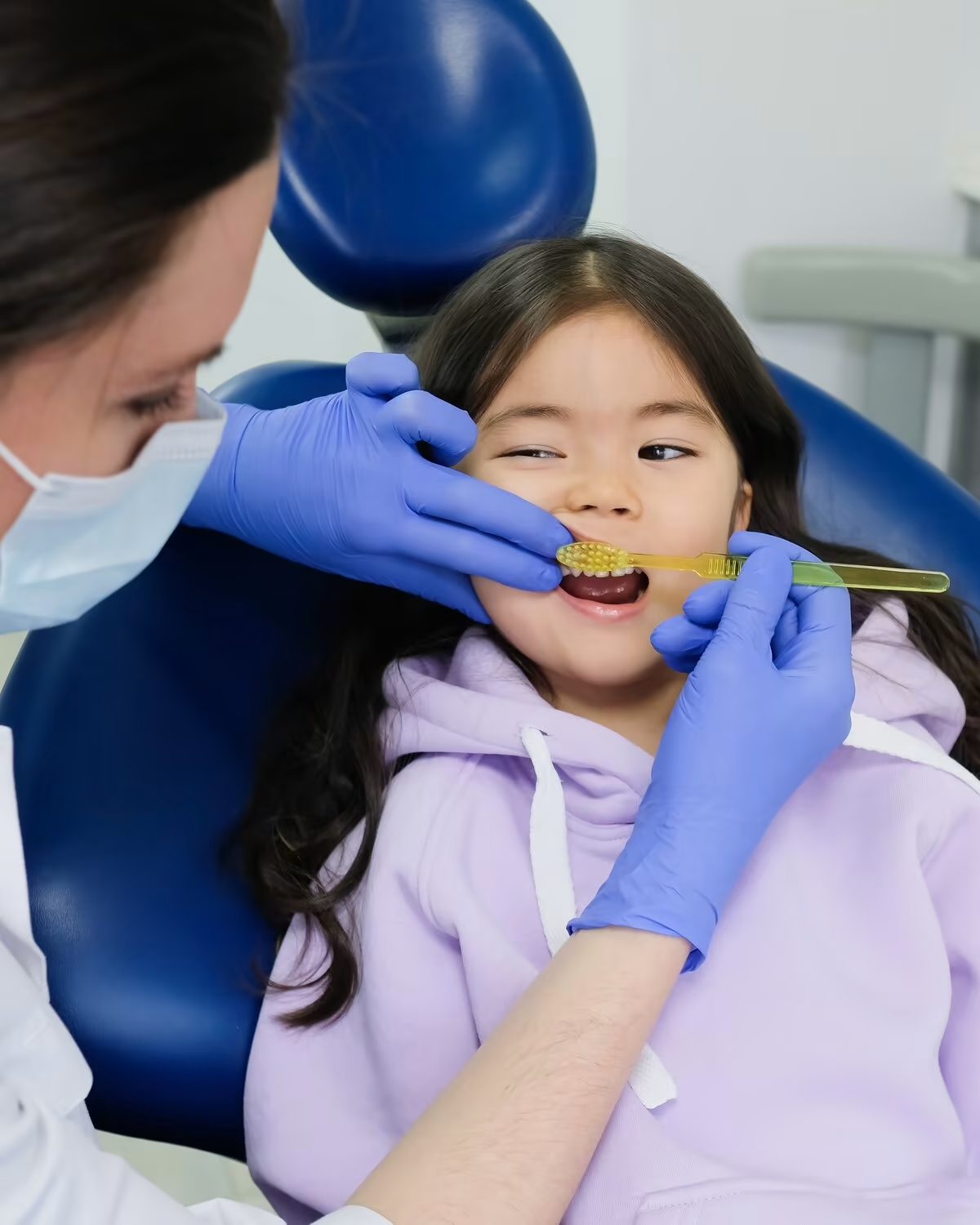
- Professional Dental Cleanings: Gentle, thorough removal of hardened plaque and tartar from areas standard toothbrushes miss, followed by a kid-friendly polishing session.
- Protective Dental Sealants: Thin, durable medical coatings applied directly to the chewing surfaces of the back molars, completely sealing out food particles and cavity-causing bacteria.
- Targeted Fluoride Applications: Safe, quick-drying mineral varnishes that strengthen developing enamel, making it significantly more resistant to acid attacks from daily food and drinks.

Diagnostic Excellence and Safety
Accurate tracking of your child’s oral anatomy requires specialized diagnostics that minimize stress and prioritize safety. Our practice employs state-of-the-art digital dental radiography, which dramatically reduces radiation exposure compared to outdated film methods. These high-resolution images allow us to monitor bone development, track emerging permanent teeth, and detect hidden decay between teeth long before it becomes visible to the naked eye.